Animal Health, Animal Welfare and Reproductive Biology Research Group
Our research group's activities cover a wide range of animal species, including cattle, pigs, poultry species (chicken, turkey, duck, goose), sheep, goats, horses, fish (zander), rabbits, small companion animals, and wild species. Senior students with an interest in research are welcome to join our scientific work, and the results can be utilized in Scientific Students’ Association (TDK) papers or theses.
Development of an in vitro embryo production system
In vitro embryo production (IVP) involves four main technological steps: in vitro maturation (IVM) of oocytes, in vitro capacitation of sperm, in vitro fertilization (IVF), and in vitro culture (IVC) of developing embryos.
In vitro produced embryos are used for somatic cell nuclear transfer (cloning), genetic modification experiments, and the production of transgenic animals. Interest in nuclear transfer-based cloning has increased significantly in recent decades, as this technology is considered the most theoretically efficient method for mass-producing high-value breeding animals.
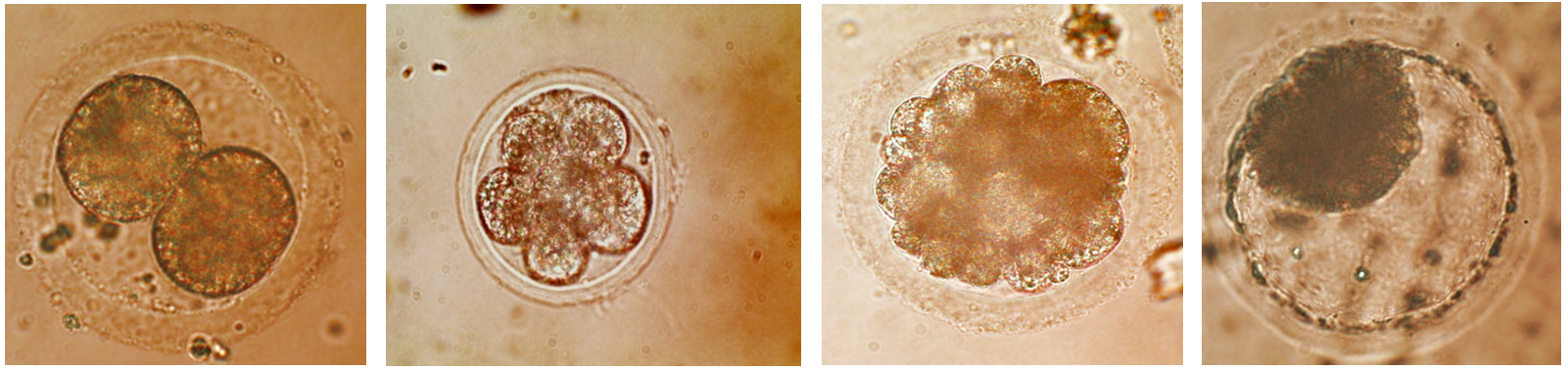
In vitro embryo production offers numerous advantages for animal breeding: it enables the relatively low-cost and rapid production of a large number of embryos, which can serve as raw material for various biotechnological experiments. Embryo production may also play a significant role in saving endangered species and breeds, maintaining and increasing biodiversity, and contributing to genetic conservation efforts.
Cryopreservation of gametes and embryos
Cryopreservation allows for the preservation of genetic material, its global transportation, and the regeneration or multiplication of breeding lines. Additionally, it can contribute to increasing selection pressure in breeding programs.
Parthenogenetic activation of oocytes
Studies on oocyte activation have gained attention primarily due to the spread of cloning techniques. In somatic cell nuclear transfer (SCNT) cloning, activating the donor oocyte is a crucial step to ensure the continuation of the cell cycle. This method is also suitable for cytological research, as the resulting embryos allow for the examination of maternal chromosomes independently of the paternal ones. Moreover, similar to IVP techniques, it enables the study of fertilization and early embryonic development. These experiments aim to produce embryos with identical ploidy and homogeneous characteristics, since in vitro-produced embryos often show significant variation in ploidy and developmental potential—partly due to the high occurrence of polyspermy.
Current animal welfare research
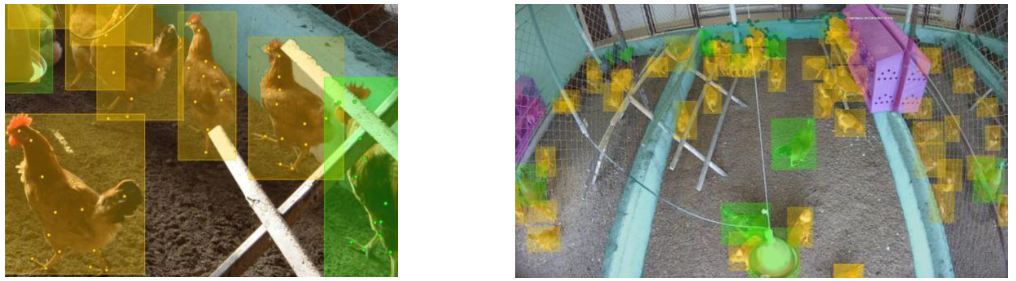
In our ongoing animal welfare studies, we are developing AI-based video and image analysis systems to support the assessment of behavior and welfare status across various species.