
Precision Livestock Farming Research Group
Cattle breeding topics:
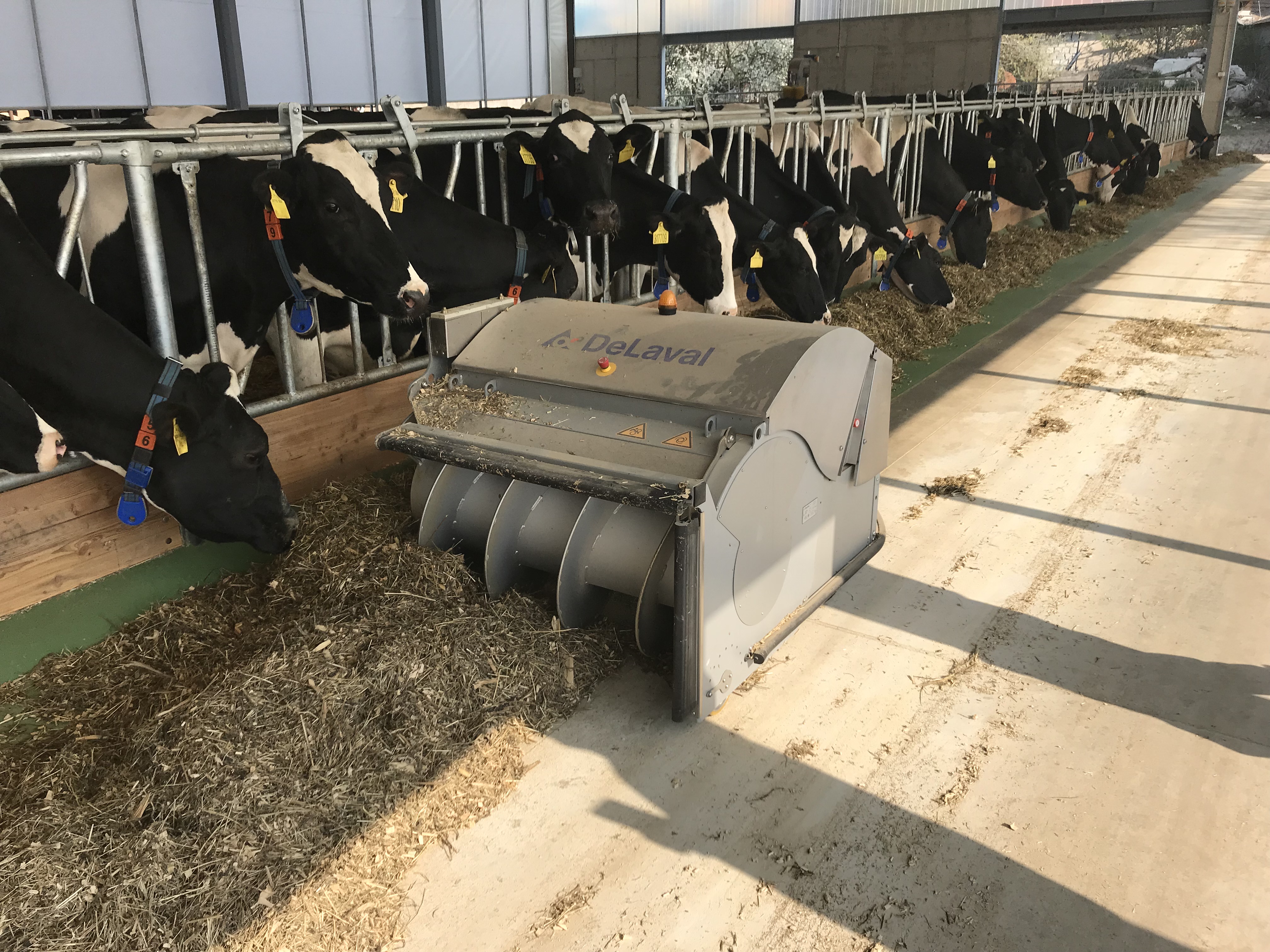
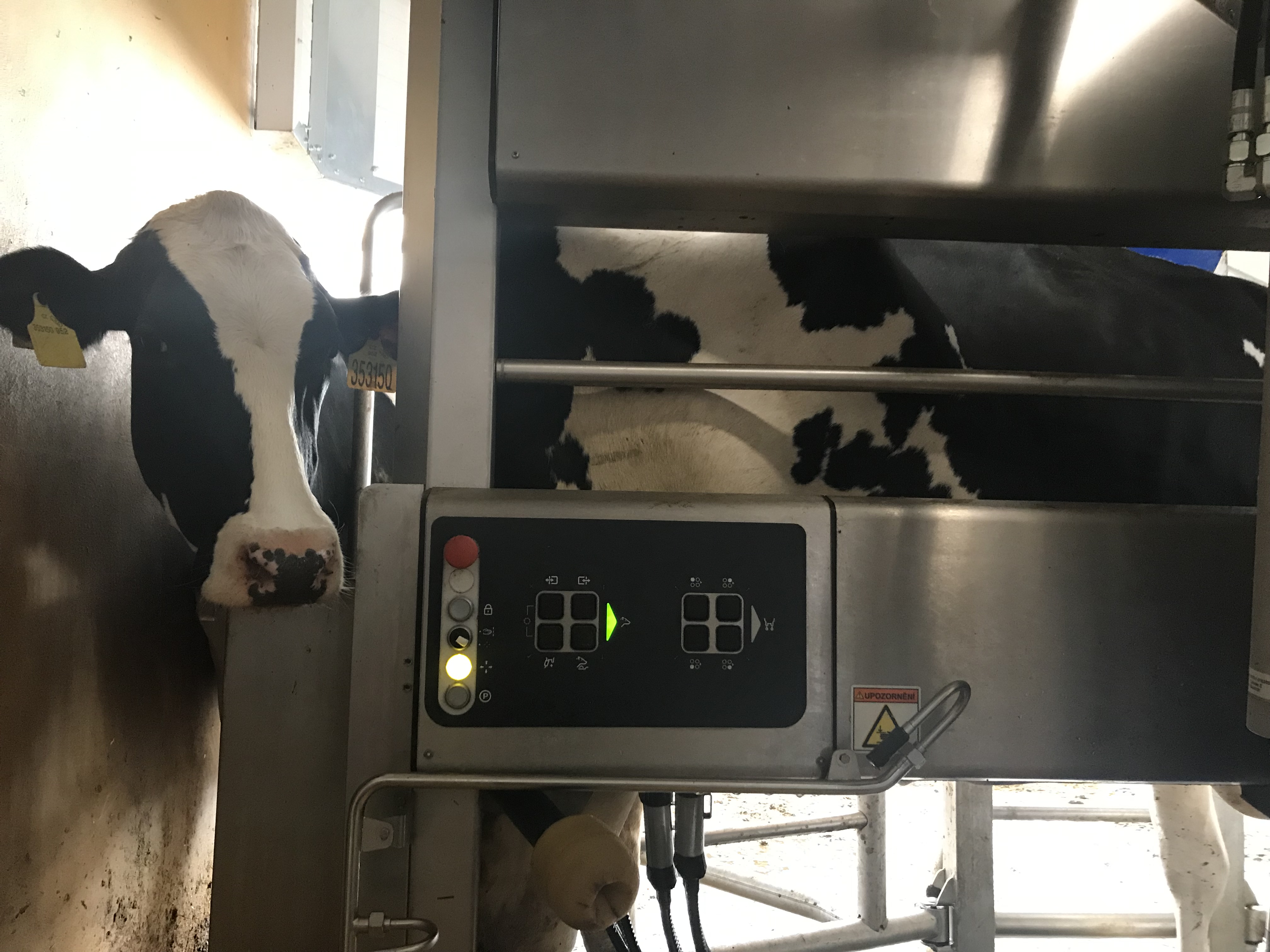
Breeding and utilization of genotypes adapted to automated milking and housing technologies in dairy production.
Development of advanced biotechnical (e.g., embryo transfer – ET) and feeding solutions to support innovative breeding technologies in the cattle species.
Analysis and use of real-time data recorded on automated cattle farms for the breeding programs of dairy breeds.
Development of breeding value estimation and conformation evaluation systems for the dual-purpose and beef-type Hungarian Simmental (Magyartarka) breed.
Multivariate analysis of body measurements and conformation traits of Limousin cattle of different sexes and ages in order to determine their type.
Within the framework of the TÁMOP 4.2.2. Agro-Climate project, subtask N.4. "Analysis of Pasture Management":
Evaluation of cattle and sheep pastures
Investigation of pasture yield and animal carrying capacity
Effects of climatic factors on the performance of beef cattle and sheep
Effects of climatic factors on pasture yield and carrying capacity
Additional research topics of the group:
Examination of milk quality in dairy farms of different sizes
Relationship between udder morphological traits and mastitis
Correlation between teat canal length, pigmentation, and mastitis
Study of mastitis susceptibility in bull progeny groups and cow families
Investigation of milk production in various dairy sheep genotypes
Examination of udder morphological traits in various dairy sheep genotypes
Study of production parameters in different sheep breeds and genotypes
Investigation of milk production in various dairy goat breeds
Study of twin calvings in dairy and beef cattle herds
Electron microscopic examination of somatic cells in milk
Analysis of biomass emissions and utilization on livestock farms
Survey of factors influencing meat consumption; consumer perception of broiler chickens fattened under intensive and backyard systems; consumer attitudes toward animal welfare
Conservation of the Yellow Hungarian chicken breed
Magnesium effect studies
Development of genotypes suitable for ecological farming based on maternal lines of the Yellow Hungarian chicken
Scientific exploration of the genetic and economic value of traditional livestock breeds
Quality assessment criteria for hatching eggs
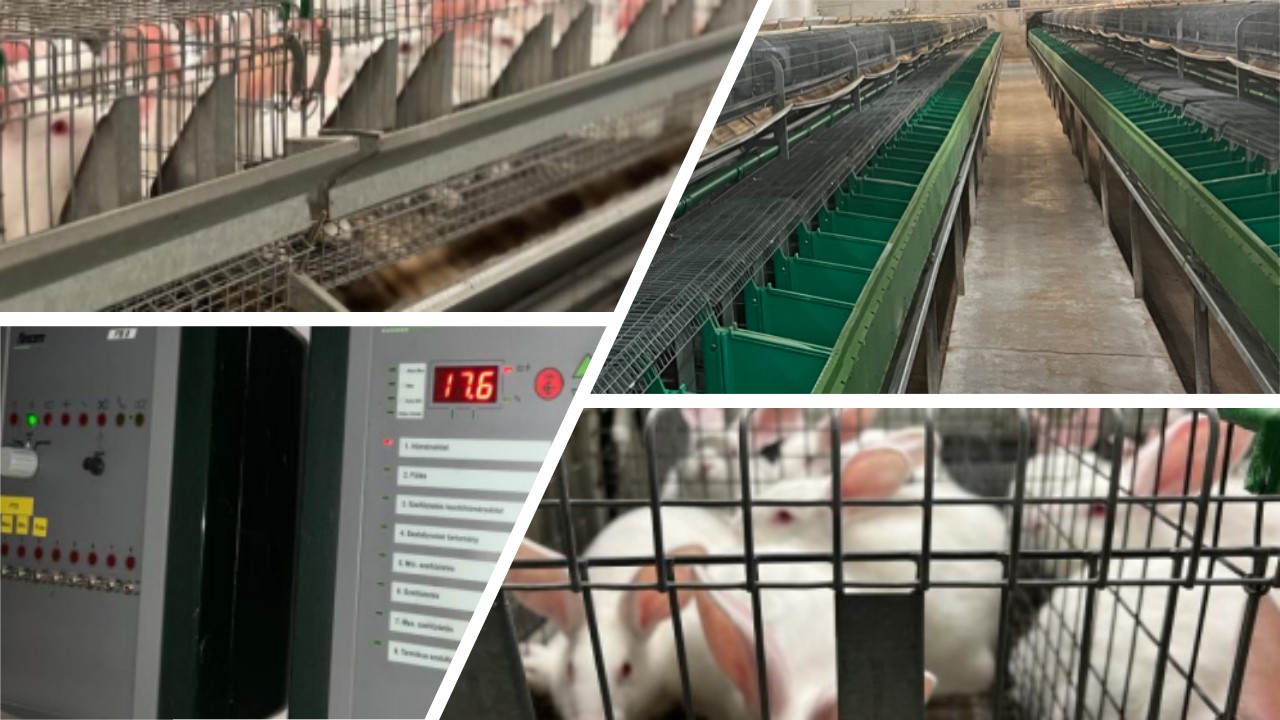
Application possibilities of precision technologies in rabbit breeding
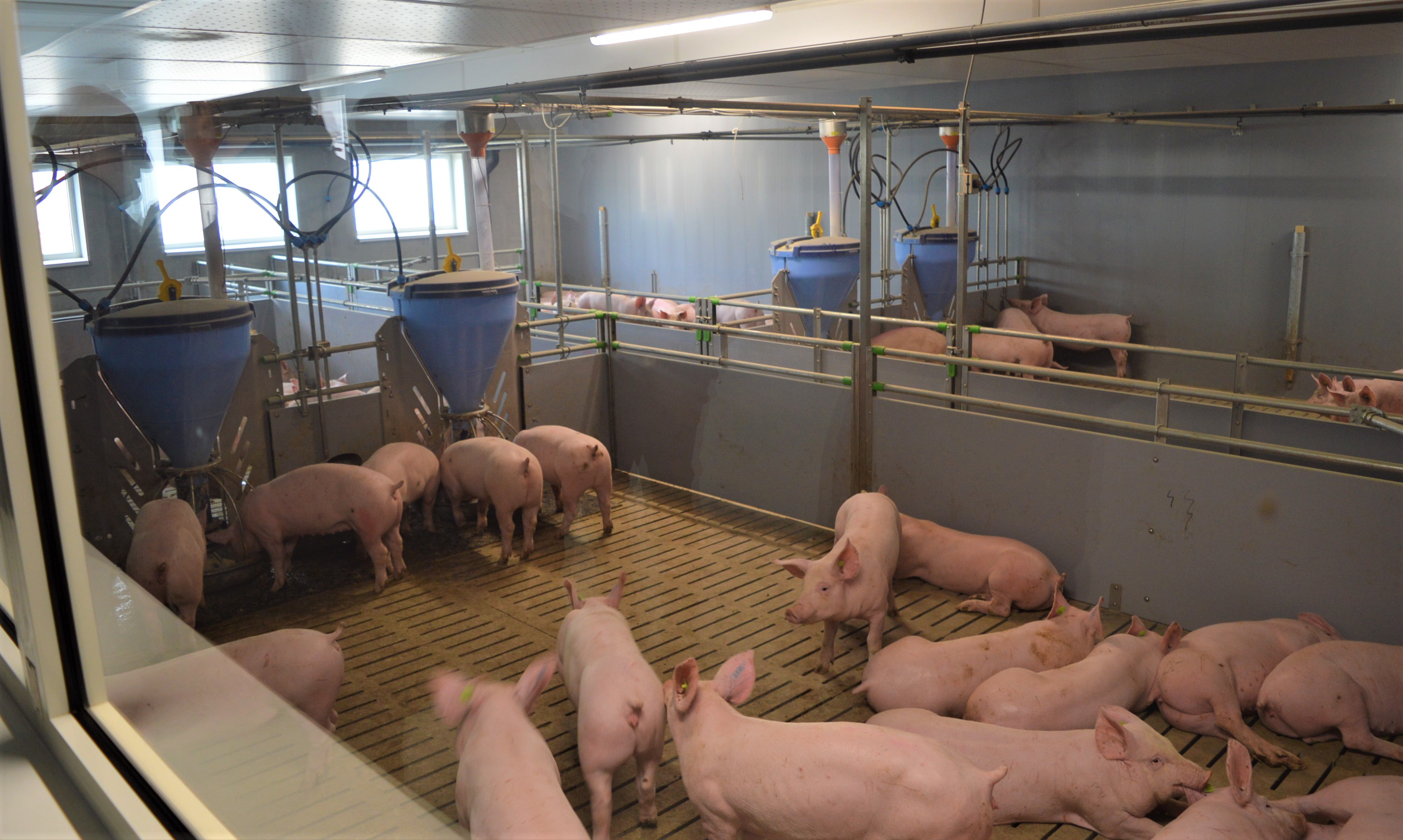
Precision feeding solutions for lactating sows and fatteners
Current projects:
Production of embryonated chicken eggs (VacOvo) optimized for vaccine manufacturing based on a novel methodology using breeder flocks with special genetic backgrounds
Within the framework of this project, Bábolna TETRA Ltd. and the Department of Animal Science at SZE AKMK aim to develop vaccine eggs with enhanced allantoic fluid volume and optimal physical properties, specifically designed for vaccine production. These eggs are to be derived from specially selected breeder flocks optimized for a natural immune response — featuring low interferon levels and high virus yield. The project duration is 2 years (2024–2026).
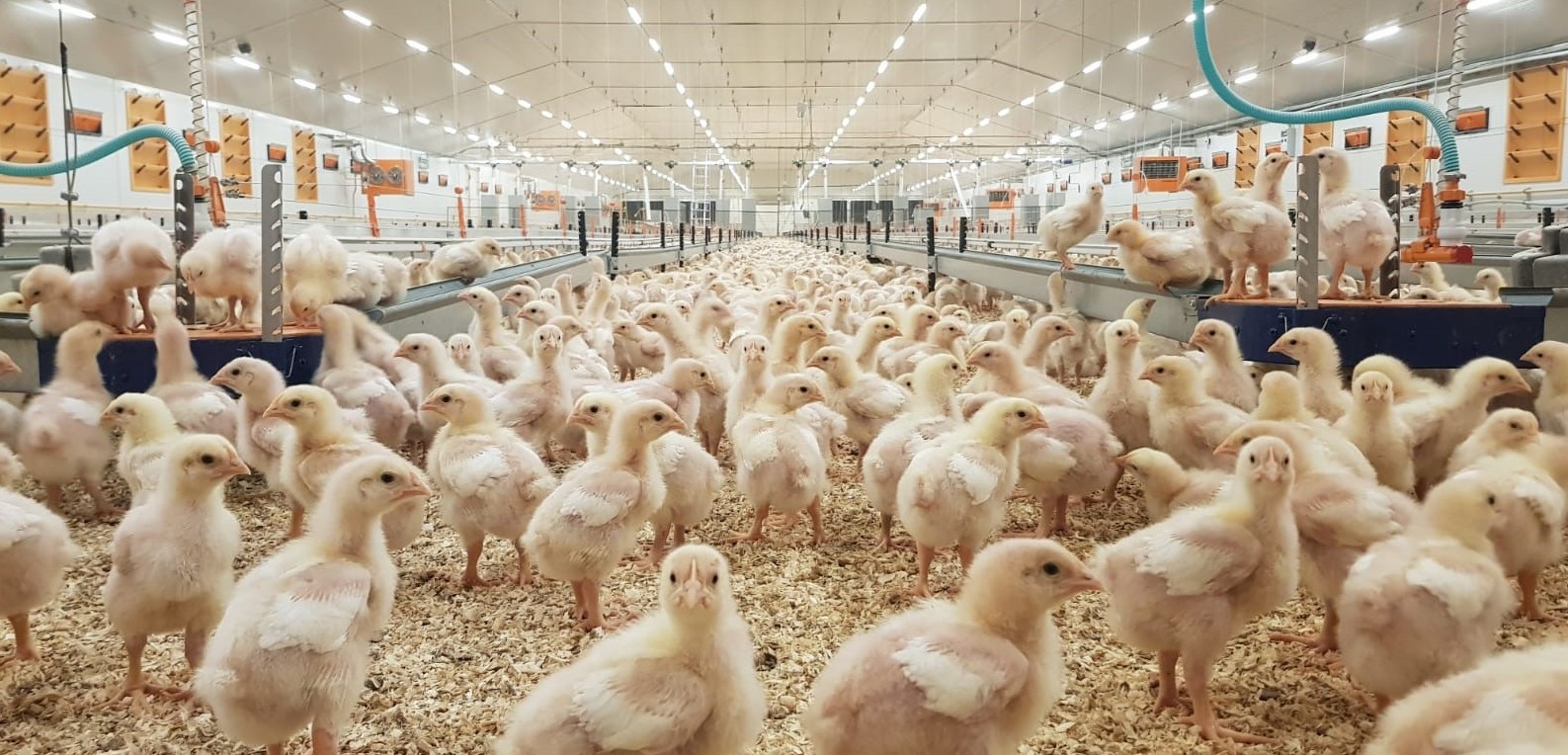
Development of the Bábolna-Multicolor (BMC) meat hybrid for premium-quality poultry meat production with low environmental impact
In this project, Bábolna Broiler Ltd. and the Department of Animal Science at SZE AKMK aim to develop a novel, robust meat hybrid (Bábolna-Multicolor: BMC) capable of optimized growth and featuring a muscle fiber structure distinct from conventional fast-growing broilers. This results in superior meat quality and enhanced disease resistance. The BMC hybrid is also designed to meet the general expectations of the "Better Chicken Commitment" (BCC). As part of the development, a precision feeding technology will also be introduced, managing nutrient content, energy-to-amino acid ratios, optimal nutrient supply intensity, and reducing the environmental footprint of recommended feeding regimens. The project duration is 2 years (2025–2027).